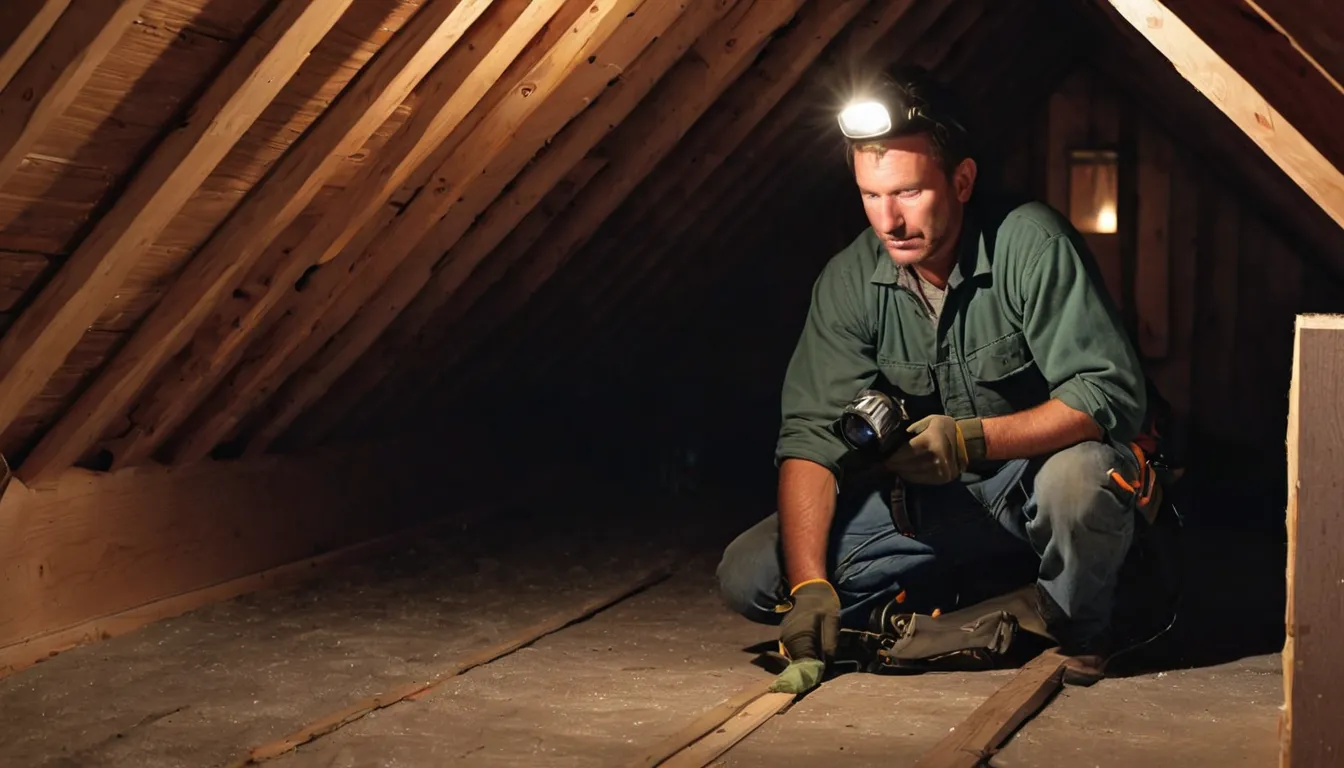
Rodents and wildlife are drawn to homes for the same reasons people are: warmth, shelter and quiet corners. A mouse in a wall, a squirrel in the attic or a raccoon under the deck is not a sign of a dirty house. It is a sign that the animal found a gap.
Opensalways Pest Control is a referral service. We do not trap, seal or clean anything ourselves. We connect homeowners in Commerce City and the Commerce City area with independent providers in our network who handle rodent and wildlife removal. This page explains the signs, the process, typical costs and the questions worth asking, so you can talk to a provider with confidence.
Scratching in the Attic or Walls? Start Here
Odd sounds above a ceiling or inside a wall usually mean an animal has found a way in. Picture your house as a coat with one small tear. Whatever finds that tear will keep using it.
If you searched for an exterminator near me, know that rodents and larger animals often need a provider who does wildlife work, not just spraying. Opensalways Pest Control does not do the work. We connect you with an independent provider who does.
Request Service
Why Waiting Makes the Job Bigger
Think of a small drip under a sink. It is easy to ignore, and then one day the cabinet is soft. Animals in a house work the same way. They start small and spread.
Rodents Multiply Quickly
Mice and rats can raise several litters in a year. A pair in the wall this month can become a crowd by spring. Early action keeps the problem small.
Wires and Insulation Take the Damage
Rodents chew to keep their teeth short, and wiring is a favorite target. Larger animals tear up insulation to make nests. Both can lead to repair bills that cost far more than removal.
Signs an Animal Has Moved In
Small clues show up before big damage does. Look for:
- Scratching, thumping or scurrying sounds in walls or ceilings
- Droppings near baseboards, in cabinets or in the attic
- Gnawed wires, boxes or wood
- Greasy rub marks along walls
- A musty or sharp smell that grows stronger
- Torn insulation or damaged vents and soffits
What the Time of Day Tells You
Sounds at dusk and overnight often point to mice, rats, raccoons or bats. Noise in the early morning often points to squirrels, which are active in daylight. A good provider will use these clues to guess what you are dealing with.
Animals Providers Commonly Handle
Providers in our network typically work with:
- House mice and Norway or roof rats
- Squirrels and chipmunks
- Raccoons and skunks
- Bats, which often have special rules
- Birds nesting in vents or eaves
Not every provider takes every animal, so say what you are hearing when you reach out.
How the Referral Works
Here is the plain version. You contact Opensalways Pest Control. We pass your details to a provider in our network who serves your area. That provider is independent, sets their own prices and does the work. Connected, not dispatched.
Call hours and availability vary by provider. Request a callback to check who can respond quickly in your area.
Request Service
What a Provider Visit Usually Looks Like
A visit follows a pattern, much like a doctor finding the cause before treating the symptom.
Inspection
The provider checks the attic, crawl space, roofline and outside walls. They look for entry holes, droppings and nesting spots.
Removal
They use traps or one-way doors, depending on the animal and the season. Poison is not always the right choice, since an animal can die inside a wall.
Sealing and Cleanup
Removing the animal is only half the job. Sealing the entry points keeps new ones out. Many providers also offer cleanup and can help document damage for a claim.
Request Service
Humane Handling and Local Rules
Think of wildlife rules like fishing limits. They exist for good reasons, and a careful provider knows them. Some animals are protected. Bats, for example, may not be removed during their young-rearing season. Rules about relocating animals differ by state and sometimes by town.
Ask the provider how they handle animals and which rules apply. A provider who explains this clearly is usually one who does careful work.
Questions to Ask Before You Hire
- Which animal do you think this is, and why?
- Will you find and seal every entry point?
- How do you handle baby animals?
- Is cleanup included, or priced separately?
- Is the quote in writing?
- Do you carry the licenses your state requires?
Keeping Animals Out Afterward
Prevention works like locking doors at night. Most of it is simple.
- Seal gaps larger than a quarter inch around pipes and vents
- Trim branches that touch the roof
- Store pet food and bird seed in tight containers
- Keep firewood away from the house
- Cap chimneys and screen vents
Weather and Houses in Our Area
Dry air and strong sun can crack wood trim and stucco over time, which opens new gaps. Heavy snow, fast spring melt and hail can loosen flashing and soffits. Basements and crawl spaces in frame homes give rodents quiet paths inside. A check each spring and fall catches these early.
Protect the House and Its Value
A buyer's inspector looks for animal damage, droppings and wet insulation. Dealing with the problem properly now, with sealed entry points and documentation, makes the home easier to sell later.
Request Service
What's Included
Animal Inspection
A provider checks the attic, walls and roofline to find where the animal got in.
Trapping Methods
Traps or one-way doors are chosen to fit the animal and season.
Entry Sealing
Gaps and holes are closed so new animals cannot use the same path.
Cleanup Options
Many providers can remove droppings and damaged insulation, often for a separate price.
What Removal Typically Costs in the U.S.
Prices vary a lot by animal, home size and how much damage there is. These are typical U.S. ranges only. Always ask the provider for a written quote before work begins.
| Service | Typical range | Notes |
|---|
| Inspection | $100 – $300 | Some providers include it in the job price |
| Mouse removal | $150 – $600 | Depends on number of visits |
| Rat removal | $300 – $1,000 | Often needs more traps and follow-up |
| Squirrel or raccoon removal | $250 – $800 | Babies may add time |
| Sealing entry points | $300 – $2,000 | Roof height and materials matter |
| Insulation cleanup | $1,000 – $5,000 | Larger attics cost more |
Request Service
How It Works
Share What You Hear
Request a callback or send the request form and describe the sounds, signs and where you notice them.
Get Connected
We pass your details to an independent provider in our network who serves your area.
Review the Quote
The provider inspects, explains the plan and gives a written quote for you to read.
Provider Does the Work
The provider removes the animals, seals entry points and explains how to prevent a return.
Why Call Opensalways Pest Control
Honest Referral Model
We say plainly that we connect you and the provider does the work.
Plain Answers
We explain signs, steps and costs in simple words so you can ask good questions.
Local Providers
Providers in our network serve your area and know local weather and housing.
No Obligation
Requesting an estimate does not commit you to hiring anyone.
Other Services